Table of contents
- Page
- 1 From the editor
- 2 Heat pumps at Northwest One
- 3 The view from The Redwoods
- 4 Give new life to old glasses
- 5 Wellness Corner
- 8 BuildingLink: Repair requests
- 9 Did you know?
- 10 Social Committee: Keeping you informed
- 15 Paint nights
- 11 Library spring cleaning
- 11 Daylight Saving Time
- 12 Caps and tags, yes! Pill bottles, no!
- 13 Think before you fly
- 13 Climate in a world gone crazy?
- 14 Regina Food and Fund Drive
- 15 Ontario seniors self-organizing NORCs
- 17 Hyacinths for the soul
- 18 Ottawa Lookout: A fresh take on local news
- 19 The Ten Commandments of condo living
Managing Editor : Irenka Farmilo
Editor : Grace Hyam
Layout : Norma Elliott
Photographer : Rick Sellick
Masthead photo: Irenka Farmilo
From the editor
Community: Noun or verb?
Irenka Farmilo
At Northwest One, we are fortunate to have a strong and engaged community. Our magazine is a testament to that — nearly unique among condo communities in the breadth and depth of its articles, all of which are from volunteers, about volunteers, and transformed into a magazine by volunteers. Every month, we fill our activities calendar with events from fitness classes to guest speakers. Read through this Rambler edition and see how our community isn’t just about where we live — it’s about what we do together.
Thinking about all of this led me to the compelling concept that asks, What if “community” isn’t a noun, but a verb?
While I’d like to take credit for such a novel idea, I cannot. It’s not even that novel. The concept of community as a verb may have been coined recently, but its foundation goes back to later-20th-century writers like Victor Turner and M. Scott Peck, who challenged readers to rethink what it means to belong.
Anthropologist Victor Turner explored communitas, which he described as an intense sense of togetherness and shared identity that emerges through collective experiences. It is unstructured, spontaneous, egalitarian, and based on deep human connection. Community is therefore not a fixed state. Rather it arises through active participation, shared experiences, and meaningful engagement. Community isn’t just something we have but something we create through ongoing actions and interactions.
M. Scott Peck, the American psychiatrist and author, in his book The Different Drum: Community Making and Peace, described community-building as an active process that requires effort and unfolds in stages — moving through phases of pseudo-community, chaos, and emptiness, before arriving at true community where genuine connection and understanding emerge. Real community doesn’t just exist; it must be consciously built through honest communication, mutual effort, and personal growth. It’s an ongoing, dynamic process rather than a static state. And that leads to the inference that community is more a verb than a noun.
The exact origin of the phrase "community is a verb, not a noun" is unclear, as it has been used by various authors and speakers. But I like it particularly because it encapsulates the NWOne community. We’re not just a collection of people in a static space, but a thriving, ever-evolving, supportive community created and recreated by the imagination, energy, and commitment of its members.
I hope you’ll enjoy reading about the results of community building evident in this spring edition of the Rambler. And long may we keep creating together.

Heat pumps at Northwest One
Message from the board
by John Elliott, President and Treasurer, CCC217
In February 2021, my wife and I volunteered for our unit to be part of the pilot program for testing heat-pump replacements for our heating and cooling units, known as packaged terminal air conditioners (PTAC).
The cold blast of air we used to feel when turning the heat on is gone. No more huddling under a blanket, afraid to turn the temperature higher than 20C lest the electricity bill double. No more auxiliary electric heaters. On a hot summer day I can turn the air conditioner on, feel the cool air flowing and know that soon my apartment will be cool and comfortable. Air conditioning and heating that work with independent temperature controls for each room too.
At last, our 50-year-old PTAC units are going to be replaced with LG air-source heat pumps.
Since 2021, replacements for the existing PTACs have been tested in four Regina suites. This pilot program included two different heat pump configurations and two slide-in replacement units. Unfortunately, both of the slide-in replacement units failed and were determined to be unsuitable.
We selected one of the heat pump configurations because all four participants in the pilot program reported that their heating and cooling performance was excellent. There are some savings in electricity in both heating and cooling modes as the heat pumps are more efficient than electric heaters, and air conditioning technology has advanced over 50 years.
The corporation has now signed a letter of intent to purchase the heat pumps. In order to hold the price, we need to complete the purchase this year. Our project manager is currently putting together tenders for the trades needed to do the installation and working out the installation cost. The intent is to have all units replaced this calendar year.
The cost of the units themselves will be paid for from the shared reserve fund. Installation cost will be paid for by CCC217. But unfortunately, as we have mentioned in the past, a special assessment will be required to cover the installation cost. We have applied for a grant to cover part of the cost of this project and once we know whether we qualify for the grant and have a cost figure from the project manager, we will be able to calculate the amount of the special assessment required. We will keep you up to date as we receive more information.
The view from The Redwoods:
Choosing a retirement home
by Margi Young (NWOne alumna)
I’ve moved plenty of times in my life but choosing to leave my NWOne Regina apartment of 17 years for a retirement home was the toughest decision I’ve ever had to make.
I say this despite the fact that the distance I eventually moved was only about 12 minutes away by car. But the “Shall I move or not, and where to?” dance in my head went on for a year or so. Then my body made the decision for me: “Do it!”
Choosing a retirement home isn’t easy and information can be hard to find. Word of mouth may be your best bet.
Choosing where to go can be hard. There are companies that can help, although they are largely affiliated with certain homes so your choice will be limited. If you try to do online searches to compare homes, you will find a lot of places are quite coy — you can’t find out much information without signing up and likely agreeing to a tour and follow-up emails. Not all websites are like that, though and The Redwoods, where I landed, has lots of information. Don’t expect actual prices anywhere, though. You’ll likely get a range.
If you do some online searching, look for a typical weekly menu and a monthly activity sheet. The number and range of activities can be very important.
With over 100 retirement homes in Ottawa, however, your best bet is word of mouth. I was lucky in that I had a good friend at The Redwoods, and had visited her a number of times, so I had a feel for the place. That, and its proximity to “home” so condo friends could visit, were determining factors.
I’ll speak a bit about Redwoods. First off, it’s not handy to a grocery store. Redwoods makes up for this, however. Every Tuesday morning the bus makes three round trips to Carlingwood. You can choose your departure and return times, so it’s very convenient. They also have an afternoon shopping trip to various malls most weeks. I’ve actually been places I’d never discovered before.
One other excellent feature relating to the bus is called Medical Monday. Provided you can get your medical appointment on a Monday, the bus will take you there and back. One of my appointments last year was in Orleans — I shudder to think how much a cab would have cost me.
What else is important? Take a close look at the monthly activities sheet. Redwoods is perfect for people who like music, with perhaps five live performances a week. Like crafts? Lots to keep you happy. Movies? Most evenings.
Of course, no retirement home is perfect but I hope I’ve given you a start should you or someone you know be thinking about moving. Good luck!
Give new life to old glasses
by Helen Mason
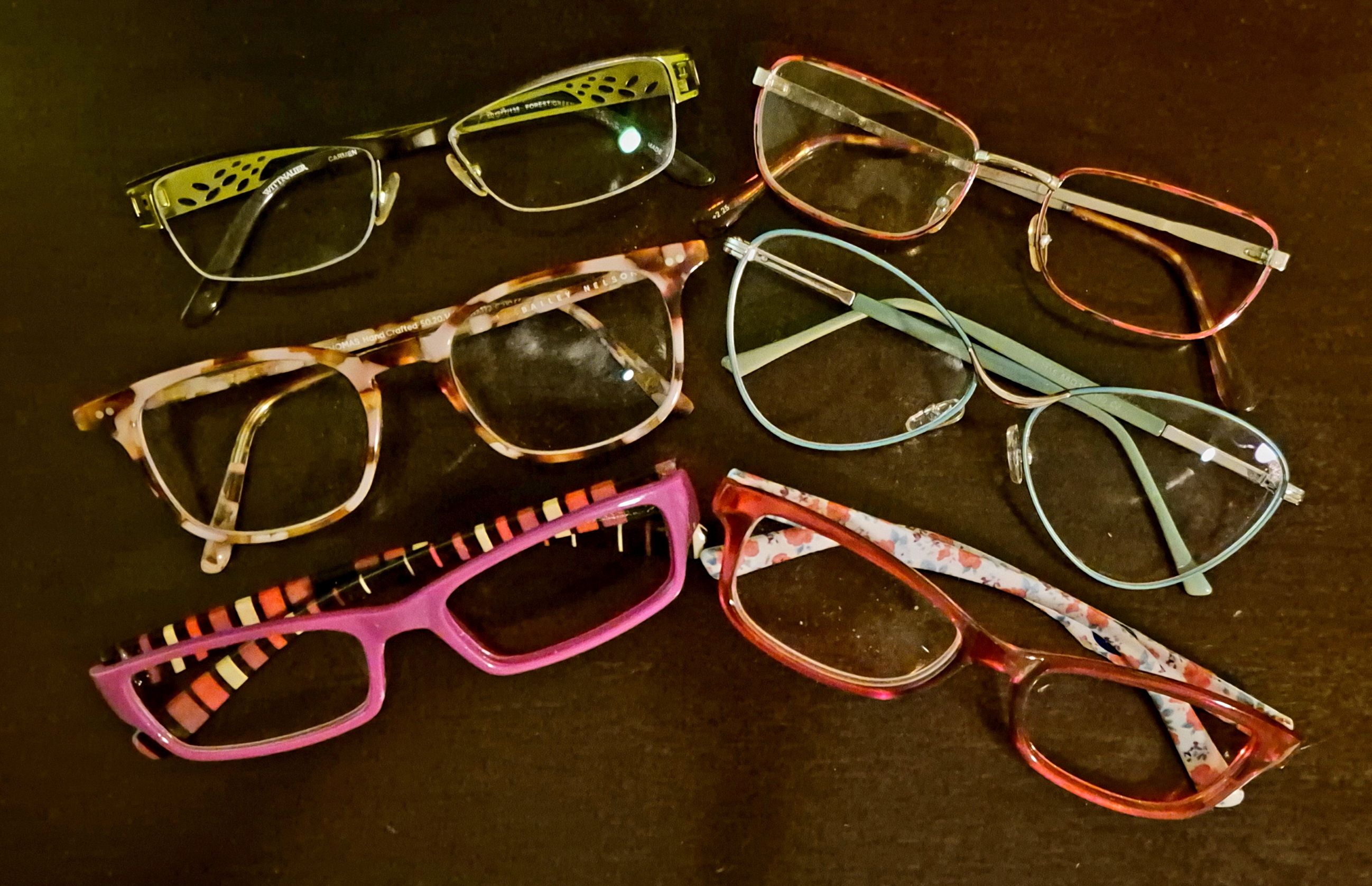
What happens to the used glasses you place in the cardboard box on the Give and Get Shelf? Members of Lions International collect, clean, and send them to the Canadian Lions Eyeglasses Recycling Centre in Calgary. Other volunteers rewash, sort according to prescription, package, and send the glasses to countries worldwide. You can watch a video on this at https://clerc.ca.
Lions volunteers from Canada and the host country then assist volunteer opticians and optometrists to test the eyes of adults and children. They identify what type of lenses the clients need and find appropriate frames and lenses. Imagine the look on someone's face when they can see properly for the first time!
You can help make miracles. Please place your out-of-date glasses, including sunglasses, in the Lions Recycle for Sight cardboard box. Please don’t include the cases.


Wellness Corner
House calls: Community Paramedic Program
by Ann Bolster
Adults with chronic conditions that need monitoring or are causing an acute episode that needs stabilizing now have an option of getting paramedic house calls. This is reminiscent of the old days when the family doctor would come to your home to see how you’re doing and give any necessary treatment. Except now it could be a community paramedic visiting you at home.
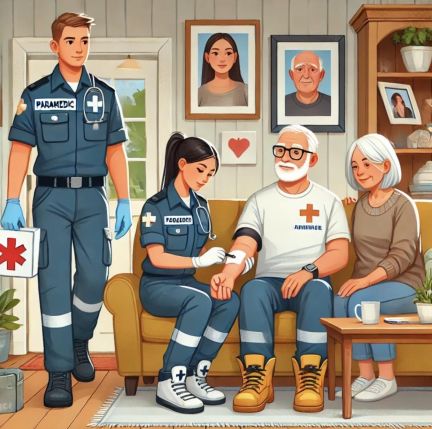
(Image: AI)
The Community Paramedic Program is a client-based, non-emergency unit of the Ottawa Paramedic Service. The program’s mandate is to support patients and their caregivers to stabilize chronic health conditions at home to avoid hospitalizations or a move to long-term care. The paramedics liaise with the family doctors to coordinate care, “becoming their eyes and ears when the patients cannot see them in person,” according to Steve Dodge of the administrative team.
Community paramedics can now make house calls for certain conditions, making aging in place more likely.
Patients tend to be 65 years of age or older, and the main conditions addressed are chronic obstructive pulmonary disease, congestive heart failure and diabetes. Services include blood and urine analyses (just a finger poke for the blood sample to measure a few things), ECG, ultrasound exams, wound care, IV initiation and therapy, bladder catheterization, cognitive assessment, palliative gap care (for example, for pain breakthrough) and interventions for acute exacerbations. Health promotion and system navigation are also provided, and remote monitoring can be arranged. Patients just discharged from hospital may require more frequent assessment.
Having this reliable continuing care means that you are more likely to be able to “age in place,” confident that professional help is just a phone call away. And it is all covered by OHIP.
You can sign up for this program by asking your doctor to complete a referral form, which is available as a fillable PDF from CommunityParamedicine@Ottawa.ca. The form needs to be faxed to the Ottawa Paramedic Service (at 613-580-6487). Once the form has been filed, an appointment will be made with you for a paramedic to come to your home, do a physical assessment and complete your enrolment. Phone 613-580-2651 if you have any questions.
Those without a family doctor can also sign up for the program by checking the appropriate box on the form and completing the remainder themselves.
This program is another example of the expanding role of paramedics in Ontario, aimed at addressing gaps in the health care system. You’ll recall that older adults are now welcome, by appointment, to attend a monthly wellness clinic at the Carlingwood branch of the Ottawa Public Library. Each clinic takes place on the third Wednesday of the month from 1:30 to 4:30. Register through the Ottawa Paramedic Service’s online platform or by calling 613-580-2651.
"Heart Matters" event draws strong interest
by Ann Bolster
More than 60 residents gathered for NWOne’s first-ever “Heart Matters” event on February 6, hosted by the Wellness Committee with the help of Alison Sinclair. The event was so well received that a second session was held a week later for those who missed it.
The goal? To help residents recognize potential heart and stroke emergencies and take swift action.
Attendees learned how heart attack symptoms often differ between men and women. Women, for example, may not experience the classic crushing chest pain but instead feel fatigue, nausea, or chest tightness.
A key takeaway from the discussion on strokes was the importance of the FAST acronym:
F for facial drooping
A for arm weakness
S for speech difficulties
T for time—call 911 immediately
Residents were also engaged by a video demonstrating CPR and the use of defibrillators, followed by hands-on practice in small groups. The NWOne defibrillators are located in the Regina lobby, near the Poulin mail room, and on the landing between the pool and the party room.
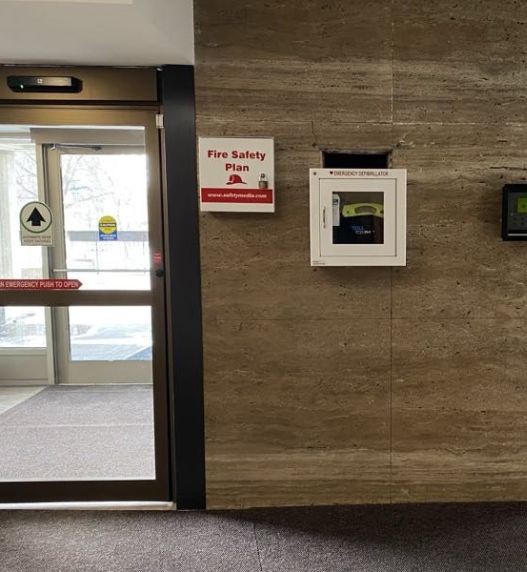
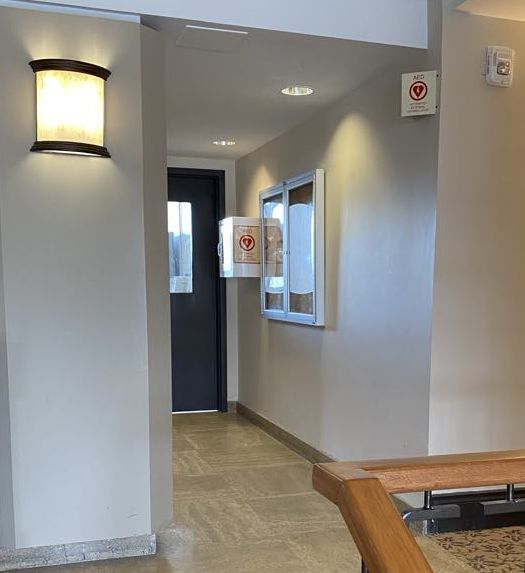
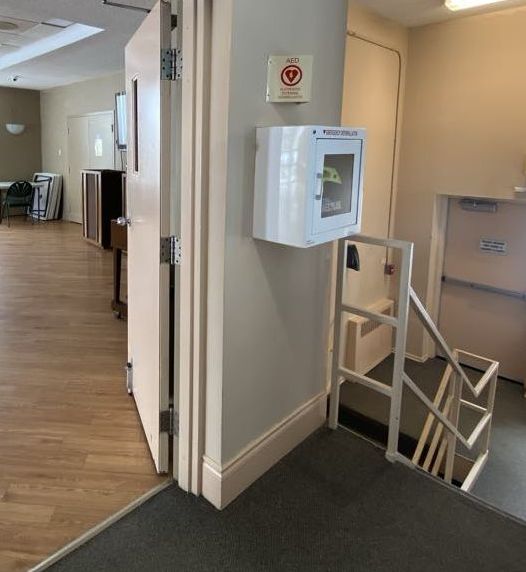
Audience questions added depth to the discussion. One resident asked why women’s heart attack symptoms differ from men’s. The answer? Women may experience different patterns due to differences in coronary artery disease or they may simply be more likely to dismiss their symptoms.
Another asked about taking aspirin during a suspected heart attack or stroke. The advice: don’t take anything yourself until 911 is called, as some strokes result from bleeding rather than clots, making aspirin dangerous. And don’t decide yourself to give aspirin or any pill to another person.
Residents also discussed practical concerns, like handling a defibrillator on someone with a pacemaker (place pads at least an inch away) and how to turn an unconscious person into the recovery position if alone.
With two well-attended sessions, “Heart Matters” proved to be an engaging and potentially lifesaving
community initiative. If you missed it, the NWOne Wellness Committee is always available for questions —
and you can request
their newsletter at nw1wellnesscommittee@gmail.com.
Hearing loss and dementia
by Grace Hyam
Dr. Melanie Baur, an audiologist at the Care Centre of the Perley Hospital, recently gave a talk to 40 NWOne residents concerning hearing loss and its impacts, especially its connection to dementia.
Dr. Baur, a compelling speaker, stressed the importance of prompt treatment for hearing problems. Hearing loss is an invisible disability. There is no wheelchair or white cane to let others know you have a problem. Many hearing-impaired people don't want to publicize their situation. This is troubling because the sooner the problem is identified and treated, the better.

Click for larger image
(Photo: R. Sellick)
In the age group 60-69, 77% of the Canadian population has some level of hearing loss; in the 70-79 age group, 94%. Age-related hearing loss usually means being unable to hear high frequencies and having the impression that people are mumbling. Despite that many are unaware of their problem, one in three over age 70 would benefit from hearing aids.
When talking to a hearing-impaired person, it is often helpful to speak more slowly rather than more loudly.
The relationship between hearing loss and dementia is complicated and symptoms are very similar: memory loss, confusion, changes in behaviour or personality, decrease in concentration, loss of ability to do daily tasks, and depression. Neither hearing loss nor dementia directly causes the other, but there is a definite connection. Hearing loss may cause changes in the brain. Hearing-impaired people tend also to withdraw and social isolation is a risk factor for dementia.
For further information about hearing loss and its impacts, you may contact Dr. Melanie Baur at careclinic@perleyhealth.ca or 613-526-7125. For copies of her presentation slides, contact nw1wellnesscommittee@gmail.com
A Ready Recipe for Wellness
by Adele Upton
It's not magic, but it’s an easy step toward well-being—after a go-ahead from your doctor.
It's the NWOne Stretching and Strengthening classes, held every Tuesday, Thursday, and Saturday at 10:00am in the party room, with some people arriving early for a chat.
Led by Renate Desjardins, residents follow an audiotape that guides them through warm-ups, resistance-training (using hand weights, resistance bands, and body weight) and relaxing stretches. And the party room has some gear you can borrow for the class.
You can progress at your own pace by increasing weights or using stronger resistance bands. If you’d like a greater challenge, you can head to our well-equipped gym afterwards for an extended session. Remember that maintaining muscle mass is very important as we age, reducing falls, fractures, and mobility issues, and boosting our metabolic rate to support a healthy body weight and reduce joint stress.
These classes are great for incorporating physical activity and social interaction, and they happen right at home. What could be a better recipe for enhancing wellness of both the body and mind, especially on a stormy day? Give it a try!
Wellness Corner: Upcoming Events
Alzheimer’s Disease: Looking into the Future
- Thursday, March 20, 2025
- 2:00 to 3:30 pm
- Party Room
Dr. Andrew Frank, a neurologist and researcher at the Boiler Memory Program, will discuss normal vs. abnormal brain aging, current Alzheimer’s diagnosis methods, and ways to reduce dementia risk. He will also outline new research on therapies that may prevent or slow disease progression beyond current treatments.
Screening for Valvular Heart Disease
- Tuesday, April 15, 2025
- Poulin boardroom
- Main floor, Poulin Building
This, the second mobile clinic offered by the University of Ottawa Heart Institute right here at NWOne, is full and has a waiting list. However, if you would like to be added to the waiting list, you can email us at nw1wellnesscommittee@gmail.com
BuildingLink: Repair requests
by Norma Elliott
In the last issue of the Rambler, we outlined how to log in to BuildingLink — the best avenue of communication between you and your building management. In this issue we detail how to submit a repair request.
From the BuildingLink Main Menu, click on My Repair Requests underneath Resident Services.
Click the green-highlighted link +Submit Repair Request.
You are taken to the page shown below.
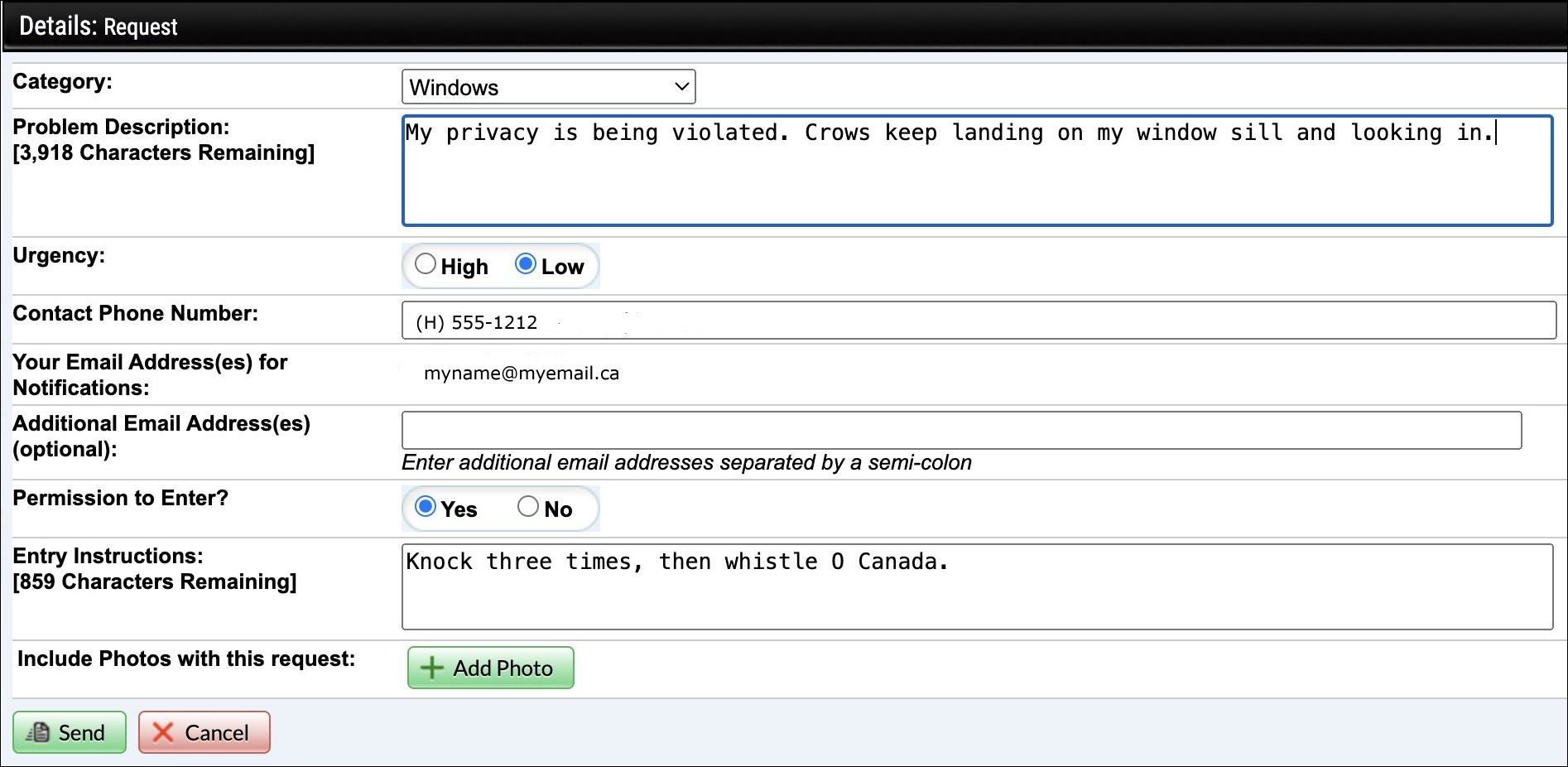
Fill out the individual items.
Category: Choose from the alphabetical list.
Problem Description: Describe the problem and the solution you anticipate.
Urgency: Be kind. Most things are not highly urgent.
Phone/Email: Appear automatically.
Give permission to enter when the problem is in your unit.
Attaching a photo or photos of the problem is always helpful.
When you are satisfied the form contains all necessary information, click on Send. If the problem has solved itself while you were writing up the repair request, please click on Cancel instead.
And that's it. Your request will be received at the management office and assigned to available personnel. Trust the process and allow our staff adequate time to respond. Yours is probably not the only request they have received today.
Note: Click on the box "Include Closed Repair Requests" to show the history of your requests. Your most recent submission should appear at the top of the list.

 Ottawa’s hidden connection to the Titanic
by Irenka Farmilo
Next month — April 14, to be exact — marks the 113th anniversary of the sinking of the Titanic. We all know the story: a magnificent ship, deemed “unsinkable,” met a tragic fate on its maiden voyage. And thanks to the 1997 blockbuster, Titanic, many of us have a good idea how that tragedy unfolded. But what if I told you that Ottawa has its own connections to this legendary disaster, one of which you may not have heard about?
There are several Ottawa connections, the best known being that Charles Melville Hays, president of the Grand Trunk Railway in 1912 and a key figure in the construction of the Chateau Laurier, died on the Titanic. Out of respect for his death, the opening of the hotel was delayed from April to June that year.
But the least-known connection between Ottawa and the Titanic is that in the mid-1990s, some materials recovered from the wreck rested not in a grand museum but in a research lab right here in Ottawa. The Canada Centre for Mineral and Energy Technology (CANMET) was tasked with analyzing the ship’s metal to answer a critical question: Did material failure play a role in the Titanic’s fate? As part of an international effort, Canadian experts examined the very steel and rivets that once held the ship together.

Titanic metals
(Image: AI).
It may not sound like the most compelling chapter in Titanic history — no nailbiting drama, no heroism — but it’s a piece of the puzzle that remained largely unknown. Even at the time, few people in Ottawa, let alone beyond, heard about this part of the Titanic’s story. Why? Well, for one, this was a scientific study, not a public exhibition. But there were other reasons, too. The research touched on controversial territory — salvaging pieces from a wreck that many consider a gravesite. The Titanic’s legacy was, and still is, fiercely debated, and keeping a low profile likely helped avoid unwelcome debates.
This little-known study produced big results. CANMET’s research provided key insights into why the Titanic broke apart so catastrophically that night in 1912.
What They Found
Flaws in the Steel
The ship’s steel contained high levels of sulphur and phosphorus — in effect, impurities — that made it brittle, especially in freezing temperatures. It was strong, but not tough.
Weak Rivets
The wrought iron rivets were of lower quality than expected, prone to snapping under extreme stress. Instead of holding the ship’s plates together, they failed precisely when it mattered most.
A Deadly Combination
When the iceberg struck, the brittle steel cracked instead of bending. The failing rivets allowed the hull plates to separate, leading to rapid flooding.
By combining these findings with historical records and survivor accounts, researchers pieced together how material deficiencies contributed to the sinking of the unsinkable. Cost-cutting during construction — including using lower-grade materials — played a bigger role than many had previously thought.
So, while Hollywood gave us love stories and epic visuals, Ottawa quietly helped uncover the hard science behind the tragedy. And now, perhaps, you’ll remember this small but meaningful local connection next time you think about the Titanic.

Social Committee: Keeping you informed
by Alicia Cuzner
The NWOne 50th Anniversary Celebration will tentatively be Friday, June 20, all day, with a catered dinner. Keep an eye out for more information.
Planning help is needed so contact Alicia Cuzner at nw1socialcommittee@gmail.com if you'd like to join the group.
The NWOne Spring Dinner is confirmed for
Wednesday, April 23, with Leatherworks catering.
There will be 60 tickets available for $35.00 about 3 weeks before each event. Purchase details will be on posters announcing the event and ticket availability.
Paint nights
by Alicia Cuzner
Residents are invited to keep an eye out for Social Committee posters and the bulletin board (virtual or door dropped) and join me for lively and creative paint nights in the party room. With my guidance and encouragement, you’ll have a chance to explore your artistic side. Paint nights are filled with laughter, inspiration, and a sense of community and everyone leaves with good feelings, good memories, and their own unique masterpiece.
A cactus theme on one recent paint night resulted in these gems.



Library spring cleaning
by Suzanne Guillaume and Theresa Mills
Those who visit the library regularly may have noticed that there are fewer books on some shelves. And you may soon see even more space. We librarians have been busy keeping our collection current and easy to access.
We’ve culled both older soft- and hard-cover fiction — that made for six full boxes ready to be removed by early spring. This not only keeps the library current but it also frees up space for easier access. And we try as much as possible to leave the bottom shelves free to make book hunting easier on everyone’s back!
We’re also contemplating removing the science fiction section altogether as we notice very few of these books are borrowed. We’ll stand down on that if we hear an outcry.
In January, we dropped off no fewer than eight boxes of books at the Thrift Store. These were books that never even made it to our shelves, that went directly from the cart to outgoing boxes. Why? Unfortunately, there are still some people who feel that a good way to get rid of unwanted books is to “donate” them to the library, even if they’re out of date. The library volunteers then have the job of packing these outdated books and magazines and carting them to a charity.
Thanks to everyone who follows the donation guideline of giving our library no books older than 2010.
Thanks also to Dave (Poulin’s superintendent) for helping load the boxes in a car for transport to the Thrift Store.
Un message aux lecteurs de livres en français. Il nous semble que ces livres ne circulent pas beaucoup. Est-ce le choix? Nous rappelons qu’il s’agit de dons. La seule façon de voir si les livres circulent est pour nous de devoir les placer ou les replacer du chariot prévu pour les dons et les retours.
Daylight Saving Time
Love it or hate it, we just went through it again!
by Irenka Farmilo
It’s that time of year again — on March 9, we groggily set our clocks forward an hour and some of us bemoan losing precious sleep. Others among us love the extra evening daylight, while others grumble about disrupted routines and dark mornings. But have you ever stopped to ask: Why do we do this in the first place?
The Origins: A Bright Idea?
Daylight Saving Time (DST) has a history full of quirks and misconceptions. Many people credit Benjamin Franklin with the idea, thanks to his satirical suggestion in 1784 that people should wake up earlier to save candles. But the modern version of DST didn’t take shape until World War I, when Germany and its allies first adopted it to conserve energy. The idea was simple: by shifting daylight into the evening, people would use less artificial lighting and fuel. Other countries, including Canada and the U.S., quickly followed suit. So the policy may not have originated with Benjamin F., and we may have moved past lighting with candles around 1914, but the reasoning survived when the seasonal time change was instituted.

After the war, DST was dropped — only to return during World War II for the same energy-saving reason. Over the years, various countries and regions have experimented with it, adjusted the dates, or abandoned it altogether.
Does It Actually Work?
The energy-savings argument doesn’t hold up as well today. Studies show that while we might use less electricity for lighting in the evening on DST, we compensate by cranking up air conditioning on longer, hot days or using more heat on chilly, dark mornings. Health experts also warn that the biannual clock change disrupts sleep patterns, increases the risk of heart attacks, and even leads to more road collisions in the days following the switch.
Are We Sticking With It?
Many places have debated ditching the time change altogether. In 2022, the U.S. Senate passed the Sunshine Protection Act, aiming to make DST permanent, but it stalled in Congress. In Canada, some provinces and territories have considered making the switch, but most are waiting for the U.S. to act first to avoid cross-border confusion, particularly for long-distance international truckers.
If we do stop changing the clocks, the big question is: Do we stick with Standard Time or Daylight Saving Time? Health experts argue that Standard Time — where mornings are lighter and evenings darker — better harmonizes our biological clocks with natural light exposure. In other words, sleep quality improves and we perform better, physically and mentally. However, businesses and outdoor enthusiasts tend to favour DST for those long summer evenings.
For now, we’re stuck with the twice-a-year shuffle. And there’s no disputing that this time change means spring is on the way!
Caps and tags, yes! Pill bottles, no!
by Simon Sage
Newsflash:
NWOne is no longer collecting pill bottles.
In their place, we’re collecting plastic bottle
caps, bread tags, and aluminum can pull tabs.
The pill bottle collection program at NWOne was under the auspices of the Ottawa chapter of Earthub which, among other projects, works to keep items out of landfills. At this time, Earthhub has shifted its collection strategy away from pill bottles and NWOne is shifting with it.
In place of collecting pill bottles, NWOne will now be collecting plastic bottle caps, bread tags, and aluminum can pull tabs. Please feel free to deposit these items in the former pill-bottle bin.
Aluminum can pull tabs will help with fundraising for the program. In the near future we’ll share how bread tags and bottle caps will be used.
Although pill-bottle collection in NWOne has come to an end as a community undertaking, anyone interested may still participate in the collection directly with Matthew 25: Ministries. Note the program has rigorous cleaning and shipping specifications.
Thanks to the collective efforts of our community, our local Earthub program has managed to divert thousands of items from landfill and give them a second life. This sort of grassroots effort is an important contribution to reducing strain on Ottawa's waste management and to relieving stress on global ecosystems saturated with plastics.
NWOne residents can feel proud that their support to Earthub has been — and no doubt will continue to be — overwhelming and inspiring.

Think before you fly
by Diana Ralph
We’ve grown up in a culture that glorifies air travel as a right and a necessity. Snowbirds fly off to spend winter in warm climes. Most of us routinely take planes for work or to see family, friends, and exotic sights. I used to do that too. But since I learned how energy intensive and polluting air travel is, I’ve stopped flying as much as possible. I’ve learned that, like our grandparents, I can manage just fine without flying.

Reducing or eliminating air travel is one of the most effective ways individuals can reduce their carbon footprint. According to the David Suzuki Foundation, “If the aviation sector were a nation, it would be among the top 10 global emitters.... Avoiding just one flight can be equivalent to going [gasoline] car-free for a year.” Airplanes cause even worse climate impacts than cars; they spew emissions high in the sky, which trigger chemical changes and remain in the upper atmosphere for centuries.
So, what are our alternatives?
Stay home: Holiday at home and use video telecommunication for meetings with colleagues, family, and friends. Rather than trying to escape winter, learn to relish it, and congratulate yourself for having helped save the planet by avoiding flights! At NWOne, we’re surrounded by amazing natural sights, museums, and other attractions. You can book a weekend in a local hotel, take in the sights of Ottawa-Gatineau as if you’re tourists, and return home refreshed in almost no time. Or better yet, skip the hotel cost and stay in the comfort of your home, basking in our newly refurbished pool, strolling around Mud Lake, and enjoying the sights anytime you wish.
Take the train: Train travel produces 86% fewer carbon emissions than taking a plane. Via Rail offers all the comfort of air travel with better scenery and without the seat belts. Factoring in the time it takes you to get to the airport early and navigate security lines, you can get to Montréal or Toronto about as quickly by train as if you flew. And our government just announced plans to install high-speed (300 kph) rail service between Toronto and Québec City within the next five years. This will cut train travel time by half.
Drive: Gas cars, like planes, emit significant amounts of CO2 so they’re not an ideal alternative to airplanes. In fact, when you drive alone in a gas-fueled car, long-distance car travel emits even more carbon per passenger than taking a plane. On the other hand, extra weight on the plane adds significantly to the plane’s emissions, but adds hardly anything to a car’s emissions. A car carrying two or more people emits less CO2 per person than the same number of people taking a plane. So, if you’re going somewhere with your family and friends, consider driving rather than flying. If you drive an EV, you hardly produce any CO2 at all if the electricity source is sustainable (as it currently is in Ottawa), although you still produce some CO2 if you recharge in U.S. states that produce electricity from coal, oil, or natural gas.
Choose environmentally friendlier flights: As a last resort, choose energy-efficient air travel if you must fly, perhaps for a medical emergency or to attend your kid’s wedding in Tahiti. In that case, look for nonstop flights because takeoffs and landings consume the most fuel. Group your meetings together to reduce the number of total flights. Choose electric planes if they’re available. A few airlines are converting to electric power, but only for short distances.
Take a stand: Because our government heavily subsidizes air travel, prices are kept artificially cheaper, and we pay for the real costs with our taxes. You can sign this petition urging all federal party leaders to prioritize reducing carbon emissions. You can also write to our MP Anita Vandenbelt and the Transport Minister Anita Anand, urging them to cut the generous subsidies for air travel.
What can we do about climate in a world gone crazy?
by Diana Ralph

(Photo used with
permission)
Neil Saravanamutoo gave an exciting talk at the January 27 meeting of the NWOne Environmental Action Group (EAG) entitled, “What we can do about climate in a world gone crazy?” The 30 participants found his talk inspiring and helpful. And those who missed his talk have asked to hear what he had to say. So here’s a summary.
Neil is an expert on building better cities. He was the chief economist of the G20’s Global Infrastructure Hub and is now the director of the Ottawa's CitySHAPES, a not-for-profit organization that focuses on building better cities, and the author of Substack’s “Fix Your City” and “the 613.”
Neil explained that, because of burning fossil fuels, global temperatures are rising at an unprecedented rate, which threatens us all. In Ottawa, we already face wild weather, such as the 2022 derecho, smoke from wildfires, more extreme heat days, and over time, fewer days skating on the canal. Neil’s message is simple: The problem is burning fossil fuels. Eighty percent of the pollution blanketing the earth comes from burning oil and gas. And the solution, he said, is to electrify everything and stop burning oil and gas.
Neil pointed to hopeful trends. Renewable energy sources — solar, wind, and geothermal — are now far cheaper than oil extraction, which is reducing investments in more drilling. Solar installations are rising three times faster than any experts expected.
At the individual level, Neil recommended that those who want to take effective environmental action should “swim downstream” — that is, choose cheap, easy changes that make a major difference, at the individual, community, and city levels. Our condo is already working on some of the changes he recommended:
- Installing electric vehicle (EV) infrastructure to make it easier for people to use EVs
- Replacing gas-fueled heating and cooling with heat exchangers, and
- Using electric clothes dryers.
At the community level, Neil recommended that we become role models and advocates to guard and enhance local natural spaces and to grow and support environmental advocacy groups like our EAG.
At the city level, Neil advocates for cost-effective changes that would reduce carbon emissions:
- To motivate us to rely less on using our cars, Ottawa needs reliable, frequent, and affordable public transit. In addition to reducing gas pollution, better public transportation reduces traffic and road collisions. Reducing or removing traffic congestion would also make Ottawa far more attractive to residents and tourists.
- One effective way to cut emissions is to retrofit buildings to cut heat loss. Our window replacements went a long way toward that. And our condo is currently applying for a 75% subsidy to assess other ways to reduce our carbon footprint.
- To encourage the transition to EVs, Ottawa should install many public high-speed EV chargers, and
- The city should electrify all its own vehicles.
To hear more of Neil’s creative thinking, you can subscribe to his posts and podcasts on the 613, and Fix Your City.

Generosity of spirit:
Regina Food and Fund Drive
by Rick Sellick
The NWOne community continually demonstrates generosity and dedication to helping others. One notable example is the initiative shown by Regina residents Tassy Kingsley and Betty MacDonald. For years they've volunteered to transport donated goods to the Parkdale Food Centre, with Betty's son, Steven, also contributing his time.
To accommodate seasonal changes in donation needs, a new approach was adopted on February 5, 2025. A donation table was set up in the Regina lobby, accepting nonperishable food items and cash donations from 11am to 2pm. The community's response was heartwarming, as three full bins of food were collected and a remarkable $265 in cash was donated to support the Parkdale Food Centre.
We extend our gratitude to all Regina residents who visited us in the lobby, donated food or cash, and inquired about food banks. Your contributions made the event a success and significantly impacted the lives of those in need. The Parkdale Food Centre also expressed their delight with the quantity and quality of the food, adding that the cash will go a long way to augment their food inventory.
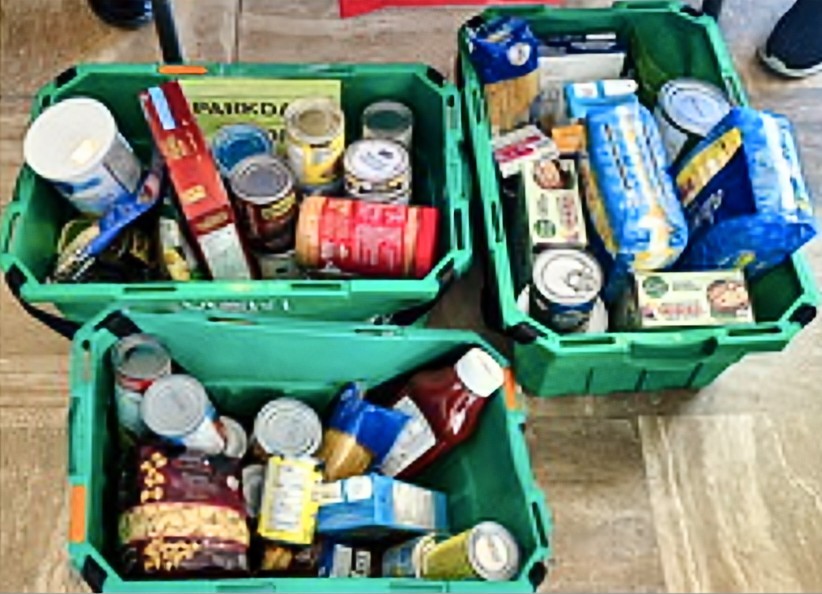
(Photo: R. Sellick)
If you missed this event, don't worry! We plan to host another Food & Fund Drive in the spring or early summer. These scheduled drives will replace the full-time donation box in the mailroom. Keep an eye out for posters announcing the next event.
Once again, thank you for your unwavering support. The Regina community embodies the spirit of giving, and together, we can make a lasting impact on Ottawa's community in need.
Ontario seniors self-organizing NORCs
by Irenka Farmilo
We at NWOne have taken steps toward becoming a Naturally Occurring Retirement Community (NORC). While our building isn’t fully accessible, volunteers have nonetheless launched several initiatives to help residents stay in their homes longer. And we’re not alone. Rather than waiting for systemic change, seniors across Ontario are taking the lead, organizing grassroots support networks to help each other. These self-organized NORCs are gaining traction, proving that with the right community initiatives, aging in place can be a viable option. The idea of aging in place is shifting from an idea to a movement.
A recent IPSOS survey highlighted the need to tackle ageism and put older adults at the center of decision-making. The Seniors for Social Action (SSAO) is doing just that, working with universities across Canada to explore alternatives to institutional care.
Seniors’ lived experiences provide invaluable insights that drive meaningful change.
At the same time, momentum is building for research on NORCs. Liberal MP Tony Van Bynen has called for a parliamentary study on NORCs, emphasizing their benefits for seniors’ well-being and potential healthcare savings. Locally, the Council on Aging in Ottawa and Queen’s University are also fostering NORC development through research and pilot studies.
As we continue to strengthen our own community, we’re in good company. Across Ontario and the rest of the country, individuals and organizations are working to shift the prime focus from institutional care of older adults to innovative aging-in-place solutions.
For more information, SSAO has a reference library at seniorsactionontario.com/norcreferencelibrary.
There are also interesting NORC-related topics on SSAO's YouTube Channel, such as "Elders Empowering Themselves" and The NORC Program".
Hyacinths for the soul
Books for the Mind
by Helen Mason
“Buy hyacinths to feed thy soul” is the final line of a poem by a 13th-century Persian named Muslih-al-Din Sadi. The poet suggests that if you have only two loaves of bread, you should eat one and sell the other to pay for hyacinths to feed your soul. Flowers fuel my soul, too, as does chocolate — and books. Thinking of books as nourishing inspired the Kanata-Hazeldean Lions Club to institute a Books for Children program for the Kanata Food Cupboard.

take over my living room,
waiting to be sorted. (Photo: H. Mason)
Through books children learn about new ideas, explore new worlds, and experiment with different roles. They build empathy and acquire ways to handle challenging feelings. They can also envision unique futures for themselves and study how others have faced and overcome problems similar to what they may encounter.
Research has shown that brain development during the first five years of a child's life is crucial for long-term learning, behaviour, and mental health. Reading and listening to stories is a great way to build those skills, especially when reading is combined with a loved voice. New stories can introduce vocabulary. Continued repetition teaches the cadence of language. In addition, children with strong reading skills perform better in school and have a healthier self-image. Every child needs books, not just those whose parents can afford them.
Aware that such development must start early, Scholastic Canada, a subsidiary of an American publishing company, runs a Read and Rise Program that provides books at a discounted price to service groups like Lions International. The Kanata-Hazeldean Lions Club purchases and donates books for children as young as infants. For my first Book Giveaway, I worked with the President of the Prince Edward County Lions Club. We chose a book by a Canadian author and purchased the same title for every child in Prince Edward County who was graduating from kindergarten. Over the final two weeks of June, we visited each kindergarten, read the story to the students, and then presented individual books with the child's name on the bookplate. The kids loved it. They excitedly told each other about the story and proceeded to read to each other what we had just read. Their enthusiasm and delighted faces reinforced the importance of gifting books.
In Ottawa, we give out more books to a larger group and a wider age range. Every child between JK and grade 6 who are clients of the Kanata Food Cupboard get a book suited to their age, and preferably by a Canadian author. This year, a team of Lions and I sorted and put bookplates on almost 400 books we delivered to the Kanata Food Cupboard, and each child client could pick the book they wanted.
After thinking about this, I'd like to modify Sadi's final line to, “Buy books to feed thy mind.”
Ottawa Lookout: A fresh take on local news
by Irenka Farmilo

mailbox if you subscribe
If you follow local news in Ottawa, you likely turn to familiar sources like the Ottawa Citizen, television, or radio. But have you heard of Ottawa Lookout? This independent digital news publication is carving out a niche with its focused, community-driven reporting, offering an alternative for those who want to stay informed about the city’s major issues and learn more about the entertainment scene.
What Sets It Apart?
Unlike traditional newspapers that cover a broad range of topics, Ottawa Lookout zeroes in on select major issues for Ottawans. It delivers in-depth coverage of municipal affairs, like transit developments, the provincial election issues and candidates, and restaurant reviews. The tone is conversational and engaging, but insightful, sometimes making complex topics more accessible without sacrificing depth.
A Newsletter That Works for You
One of Ottawa Lookout’s appeals is saving readers from scouring multiple websites to understand larger issues. Subscribers receive curated, digestible updates directly in their inbox three times a week. The free newsletter covers essential city news, while a premium option offers deeper analysis and exclusive stories for those who want even more insight.
For food lovers, there’s also Capital Eats, an offshoot dedicated to restaurant reviews and food culture in Ottawa. It’s a good resource for exploring the local dining scene.
More Than Just News
Beyond news, Ottawa Lookout fosters community engagement. Readers can interact with the editor, contribute photos, and participate in puzzles and quizzes. Unlike large media organizations, where not all emails can be answered, this publication tries to engage in written conversation, making it feel less like a news source and more like a local gathering place.
Give It a Try?
In an era when much of local journalism is either behind paywalls or diluted by national coverage, Ottawa Lookout offers an alternative of a free and community-focused way to stay informed. If you like to be well informed about local news — or just want to find your next favourite restaurant — you might want to check out their website at https://www.ottawalookout.com.
The Ten Commandments of condo living
by Irenka Farmilo
(adaptation of a 2014 Toronto Star article)
Living in a condominium means sharing space, responsibilities, and the occasional elevator ride with your neighbours. It also means interacting with those actively engaged in keeping the finances and the building functioning and in good shape – namely the board of directors and the condo office staff. As most of us know, a little courtesy goes a long way in making condo life pleasant for everyone. Most of us practise good condo manners, but there are always a few exceptions that could use a reminder.
Here’s a friendly and lighthearted, but practical guide to being a good condo citizen — our very own Ten Commandments.
1. Honour Thy Neighbour
Keep noise levels reasonable, greet people in the halls, hold doors open, and lend a hand with carts or packages. A simple "hello" and a little consideration make a world of difference.
2. Respect Thy Property
This includes both your unit and the common areas. Damage and neglect diminish the ambience and lower property values — and no one wants that.
3. Manage Thy Garbage
Double bag leaky trash, tie bags securely, and sort recyclables and compostables properly. No one enjoys a smelly, messy, or plugged garbage chute, or rubbish “furnishing” the garage. And we all know about the need to reduce, reuse, and recycle.
4. Control Thy Pets
Ensure your furry friends don’t disturb neighbours, damage property, or leave "surprises" behind. The condo has a pet rule that includes carrying pets on the interior common elements, except in the garages. Your pet, your responsibility.
5. Control Thy Visitors
Your guests should follow the same rules as you. Unruly behaviour in hallways, common areas, or parking lots reflects on you. And please, don’t let children roam unsupervised.
6. Remember Thy Security
Report suspicious activity to the office. Security starts with each of us — don’t buzz in strangers and watch who slips in behind you, on foot or by car.
7. Control Thy Water Use
Turn off water when you're not using it. Don't wash dishes or brush teeth using running taps because that costs us all. Never leave running taps unattended.
8. Respect Thy Management
The board, condo office, staff, and others work hard to keep the building running smoothly, and some are not paid. Whether you drop in during office open hours, talk to a staffer or volunteer in the halls, or write to an official with concerns, do it respectfully.
9. Respect Thy Contractors
Whether it’s maintenance staff or renovation crews, treat them with courtesy. They’re here to keep your building working well. Happy workers are better workers.
10. Shower Thy Praise
A thank you to the condo manager, board members, staff, and volunteers goes a long way. People are often quicker to complain than to compliment so a rare positive message can mean a lot.
By following these simple guidelines, we help make NWOne a great place to live. A little effort from everyone makes all the difference to the big picture.
The Regina Rambler is the authorized newsletter of Carleton Condominium Corporation 217. It is published quarterly, with Spring, Summer, Fall and Winter issues.
Every effort is made to ensure the accuracy of information; however, the views expressed are those of the contributors.
Official condo policy statements are written or approved by the Board of Directors.